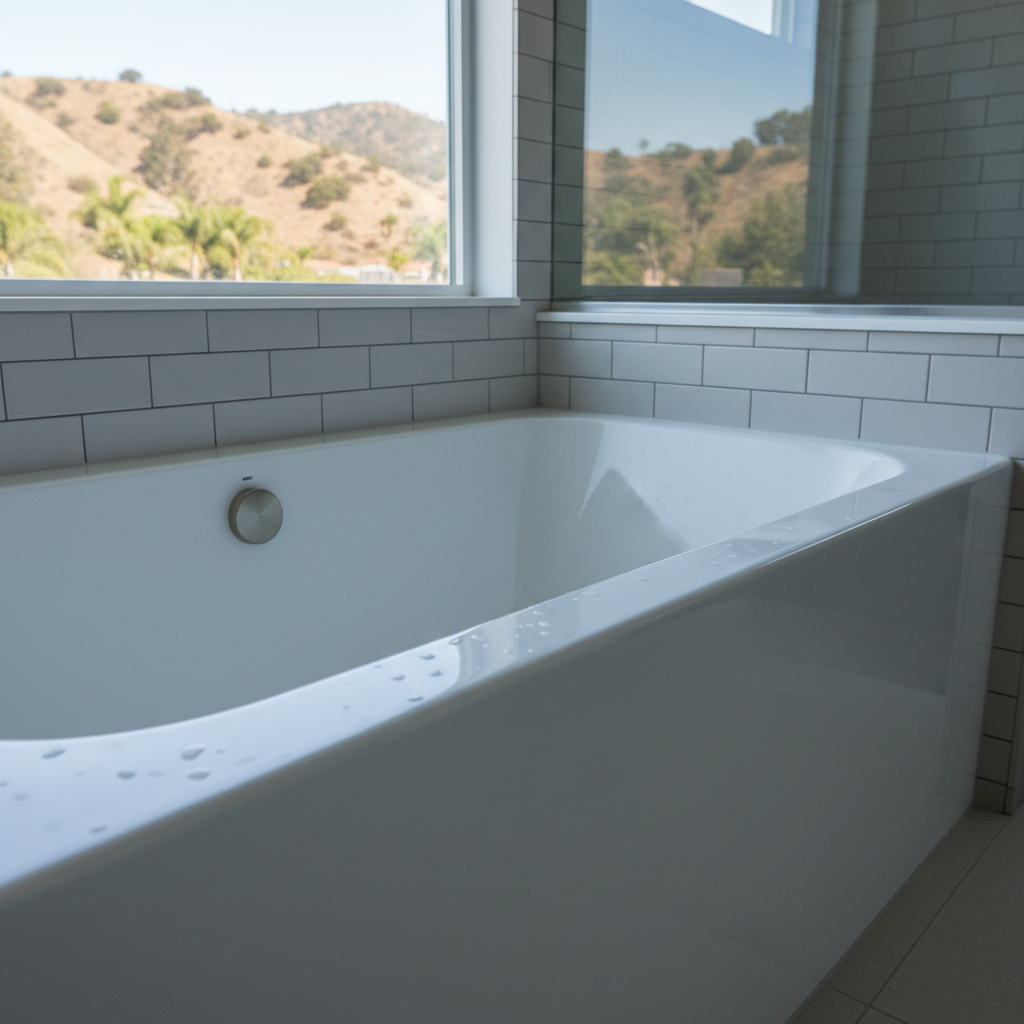
Alright, let's talk bathtubs. I've been doing this for a long time here in Inglewood, and when folks call me up about replacing their tub, they usually have the same questions. It makes sense, right? It's a big decision, and you want to get it right. So, I figured I'd put together a quick FAQ based on what I hear most often. No fluff, just the straight goods from someone who's seen it all.
How long does a bathtub replacement actually take?
This is probably the number one question. Everyone wants to know how long their bathroom will be out of commission. Look, it's not an overnight job, but it's usually not weeks either. For a standard, like-for-like bathtub replacement – meaning we're just pulling out the old tub and dropping in a new one of similar size and type – you're typically looking at about two to three days. That includes removal, any minor plumbing adjustments, setting the new tub, and getting the surround or tile ready. If you're doing a full tub-to-shower conversion, or moving plumbing around, or dealing with unexpected issues like water damage behind the old tub, then it can stretch to four or five days. We always try to give you a clear timeline upfront, but sometimes you don't know what you're really dealing with until that old tub is out.
What's the real difference between acrylic, cast iron, and fiberglass tubs?
This is where things get interesting, because each material has its pros and cons, and what's best for your neighbor in the Morningside Park area might not be best for you.
- Acrylic: These are super popular. They're lightweight, come in tons of shapes and colors, and they're pretty durable. They hold heat well, which is nice for a long soak. The downside? They can scratch if you're not careful, and some of the cheaper ones can feel a bit flimsy. But a good quality acrylic tub is a solid choice.
- Cast Iron: These are the heavyweights, literally. They're incredibly durable, retain heat like nobody's business, and have a classic, luxurious feel. They'll last forever. The big cons are their weight – they're a beast to install and sometimes require floor reinforcement – and the cost. They're usually the most expensive option.
- Fiberglass: These are generally the most affordable. They're lightweight and easy to install. However, they're also the least durable. They can scratch, stain, and crack more easily than acrylic or cast iron, and they don't hold heat as well. If budget is your absolute top priority and it's for a guest bathroom that won't see heavy use, it might be an option, but I usually steer folks towards acrylic for a better long-term value.
Do I need to replace the tiles around my tub too?
Most of the time, yes, you'll need to at least replace some of them. When we pull out the old tub, especially if it's been there for decades, the chances of cracking or damaging the lower rows of tile are pretty high. Plus, the new tub might have a slightly different flange or height, meaning the old tile won't line up perfectly. Even if we manage to get the old tub out cleanly, you're often left with grout lines that are impossible to match or areas where the waterproofing might be compromised. It's usually a good idea to factor in new tile for the tub surround. It ensures a watertight seal and gives your whole bathroom a fresh, cohesive look. You don't want to put a brand new tub in with old, tired tile, do you?
What about accessibility? Can I get a walk-in tub?
Absolutely. Accessibility is a huge consideration for many homeowners, especially as we get older or if someone in the household has mobility challenges. Walk-in tubs are a fantastic option. They eliminate the high step-over, making bathing much safer and easier. They often come with built-in seats and grab bars. The installation process is a bit different than a standard tub because of the door mechanism and often requires more robust plumbing connections for the jets and quick-drain features. They're also generally more expensive than a regular tub. But for peace of mind and independence, they're worth every penny for the right situation. We've installed plenty of them around Inglewood, and the feedback is always positive.
Will a new tub increase my home's value?
It can, definitely. A clean, modern, and functional bathroom is a big selling point. If your current tub is chipped, stained, or just plain old, replacing it with a fresh one instantly upgrades the feel of the entire bathroom. It shows potential buyers that the home has been well-maintained. You might not get a dollar-for-dollar return on investment, but it certainly makes your home more appealing and can help it sell faster, especially in a competitive market. Think of it as an investment in curb appeal, but for the inside of your house. It's part of keeping your home up to date.
How much does bathtub replacement cost in Inglewood?
This is the million-dollar question, and frankly, it varies a lot. It depends on the type of tub you choose (acrylic is less than cast iron), the complexity of the installation (simple swap vs. major modifications), whether you're replacing tiles, and any unexpected issues we might uncover. Generally, for a basic tub replacement with a new surround, you're looking at a few thousand dollars, but it can go up significantly for high-end materials or extensive modifications. I can't give you an exact number without seeing your bathroom, but I can tell you that Inglewood Bathroom Construction always provides a detailed, transparent quote so you know exactly what you're paying for before we start. We don't do hidden fees or surprises.